Radial tire performance in aggregate and quarry operations comes down to five controllable factors: correct tread depth selection, inflation management, load distribution, haul road maintenance, and inspection discipline. Get these right and both tire-related downtime and cost per ton drop.
| Tip | Focus Area | Primary Payoff |
| 1 | Tread depth and TRA code | Longer tread life, fewer replacements |
| 2 | Inflation pressure | Reduced heat damage and even wear |
| 3 | Load distribution | Balanced wear across the fleet |
| 4 | Haul road maintenance | Faster cycle times, less cut damage |
| 5 | Inspection cadence | Fewer unplanned production stops |
How Do You Choose the Right Tread Depth for Aggregate Applications?
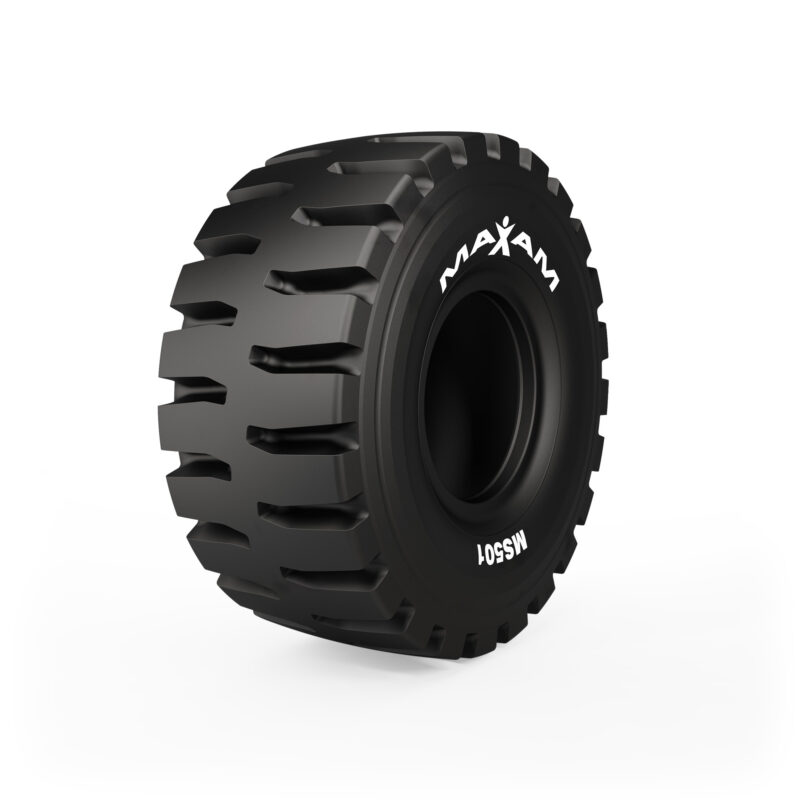
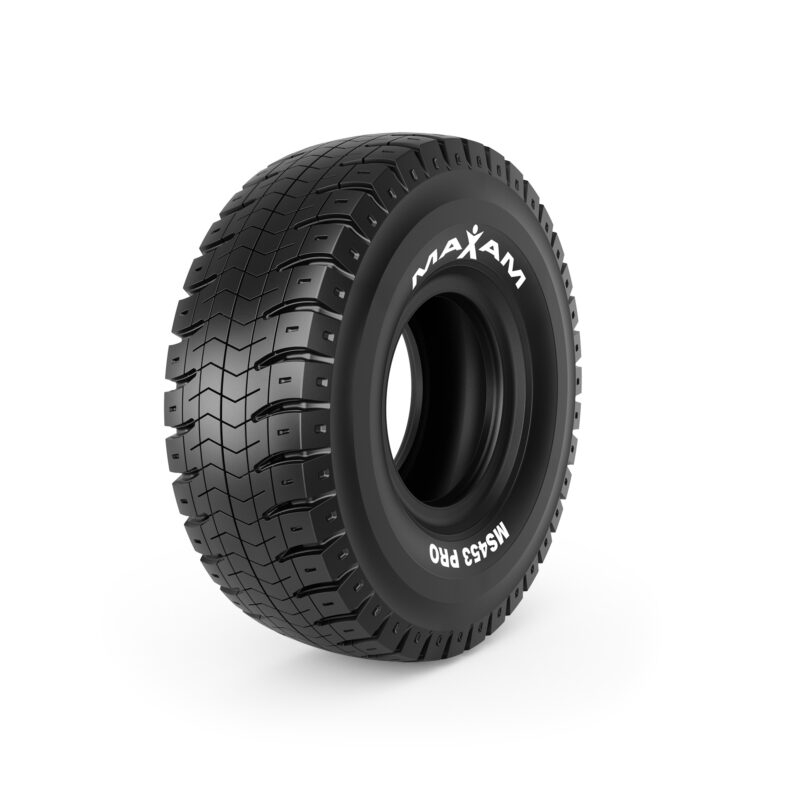
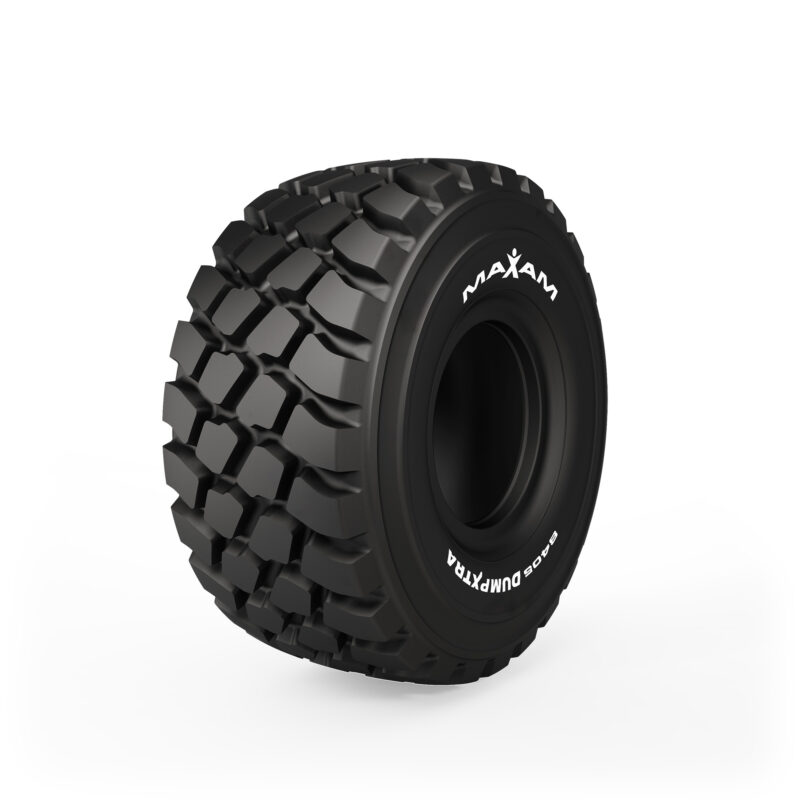
Match tread depth to abrasion severity, not just machine type. TRA tread depth codes range with deeper codes built for more severe conditions.

Deeper tread provides traction and tread depth required for tougher aggregate sites. Knowing the condition of the site and the severity of your application determine each level of tires.
Why Does Tire Pressure Matter More in Aggregate Operations?
Aggregate work combines heavy, consistent loads with abrasive surface contact, and that combination makes inflation error more expensive than it would be in a lighter-duty application.
- Under-inflation: Heat buildup and sidewall flex damage accelerate under the sustained heavy loads typical of aggregate hauling, shortening casing life.
- Over-inflation: Concentrates wear in the center tread, compounding the wear rate already driven by abrasive rock contact and reducing overall rolling resistance efficiency. It also reduces the tire’s ability to envelop debris and reduces flotation in softer ground. In addition, it causes reduces traction and produces a harder ride and vehicle vibration.
Set inflation pressure cold, matched to maximum load, and verify it against the tire’s load index rather than a rule of thumb. In aggregate and quarry hauling specifically, the margin for error is smaller because the tire is already under constant abrasive attack before inflation error adds to it.
How Does Load Distribution Affect Tire Life in Aggregate Fleets?
Uneven loading, whether from overloaded buckets on a wheel loader or uneven haul truck loading, accelerates wear unevenly across a fleet. Overloading is one of the most common root causes identified in scrap tire analysis, and aggregate operations are particularly prone to it because bucket fills are rarely perfectly consistent from cycle to cycle.
Verify load against tire load index periodically rather than assuming it holds steady across a shift and ensure that the machine does not exceed the maximum speed. Train your operator routinely so that they’re aware.
Where the equipment allows, a tire rotation strategy helps equalize wear across positions that consistently carry more than their share, extending fleet-wide tread life and reducing premature replacements.
Why Does Haul Road Maintenance Directly Affect Tire Productivity?
Haul road maintenance functions as a tire protection strategy and a productivity strategy simultaneously. Poor roads slow cycle times independent of what they do to tire wear, which means the investment in grading and debris removal pays back twice: longer tire life and faster haul cycles.
How Often Should You Inspect Tires in Aggregate Operations?
Aggregate environments wear tires faster than general construction due to constant abrasive contact, which means the inspection cadence used elsewhere is often not aggressive enough here.
Run a documented cadence: daily visual checks for cuts and abnormal wear, weekly tread depth logging to catch acceleration trends early. Early detection is what keeps a wear issue from becoming an unplanned production stop.
For any tire that fails despite this discipline, a scrap tire analysis identifies the actual root cause, whether that’s load, pressure, or road condition, so the same failure doesn’t repeat across the fleet.
Don’t forget to ensure that there’s no missing valve cap – a valve cap is the primary seal to retain air inside a tire. It’s also critical that this is a metal valve cap because it has a rubber o-ring to seal the valve stem to the cap and presents air seepage from the valve.
Frequently Asked Questions
What tire pressure is best for aggregate hauling?
The correct pressure is set cold and matched to the maximum load the tire will carry that shift, verified against the manufacturer’s load index rather than a fixed number across all applications.
How often should aggregate haul truck tires be rotated?
Rotation frequency depends on load distribution patterns specific to the fleet, but any position showing consistently faster wear than others is a candidate for a rotation strategy.