6 Signs It’s Time for New Tractor Tires
Knowing when to replace your tractor tires is about balancing value with performance. While maximizing the life of your tires makes financial sense, waiting too long can cost you in downtime, fuel costs, and soil compaction. At MAXAM, we believe in helping you get every dollar’s worth from your ag tires while protecting your equipment and your fields. Here’s how to spot the signs that it’s time for new tires.
1. Excessive Wheel Slip
When your tires spin more than they grip, you’re wasting money.
What to watch for:
- Slippage rates above 15% despite proper ballast
- Increased fuel costs from struggling tractor performance
- Tire wear that reduces traction in challenging soil conditions
MAXAM recommends replacing tires when slip rates consistently exceed:
- 2WD Tractors: 15% slip
- 4WD Tractors: 10% slip
LEARN MORE: [Optimize Ag Tire Traction with Wheel Slip]
2. Constant Air Pressure Problems
Air pressure issues that won’t go away signal deeper problems.
Warning signs include:
- Regular air loss despite fixing punctures
- Under-inflated tires even with proper maintenance
- Multiple repairs on the same farm tire
3. Visible Tire Damage
Some damage goes beyond normal wear patterns.
Replace your tires when you see:
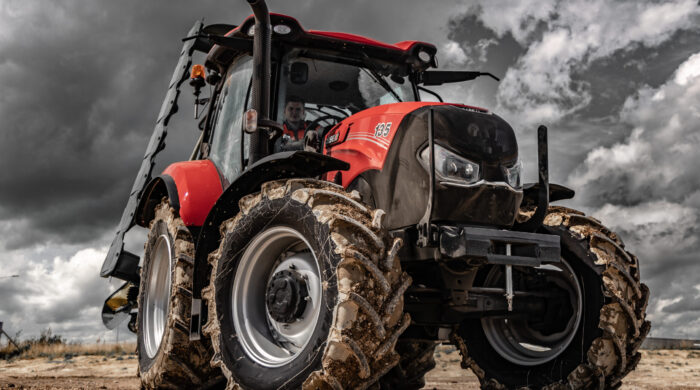
- Deep cuts in the sidewall or tire tread
- Bulges that indicate internal damage
- Dry rot cracks that expose internal materials
- Multiple ply layers showing through
4. Uneven Tire Wear
Mismatched tread depth hurts your bottom line.
Problems uneven wear causes:
- Up to 10% higher fuel costs
- Poor tractor performance in fieldwork
- Damage to farm equipment from uneven pull
MAXAM Solution: Always replace rear tires or front tires in pairs to maintain balanced performance.
5. Significant Diameter Differences
When tires on the same axle don’t match, everyone pays the price.
Issues from mismatched tires:
- Soil compaction increases under larger tires
- Wheel slip becomes uncontrollable
- Fuel efficiency drops significantly
Rule of thumb: Replace tires with more than 5% diameter difference.
6. Weather Checking and Dry Rot
Old tires don’t age gracefully.
Signs of aging tires:
- Dry rot cracks on the tire’s sidewalls
- Weather checking that reaches deep into the rubber
- Ozone damage from long-term storage
MAXAM Maintenance Tips to Extend Tire Life
Regular Pressure Checks
- Monitor PSI weekly based on load capacity
- Adjust tire pressure for different fieldwork
- Consider automatic inflation systems for large equipment
Proper Weight Distribution
- 2WD: 25-30% front, 70-75% rear
- 4WD: 55-60% front, 40-45% rear
- Use suitcase weights instead of liquid ballast when possible
Smart Storage Practices
- Store ag tires out of direct sunlight
- Keep used tires in dry, covered areas
- Rotate spare tractor tires annually
Choose the Right Tire Technology
VF Tire Advantages:
- Higher load capacity at lower PSI
- Reduced soil compaction
- Better fuel efficiency
Radial tires deliver:
- Superior tread patterns for various soil conditions
- Enhanced lug design for optimal traction
- Longer service life through advanced compounds
The Bottom Line: Don’t Wait Until It’s Too Late
Replacing tractor tires at the right time saves money on fuel costs, prevents downtime, and protects your soil from compaction. Regular inspections and proper maintenance help you get the most from your investment while avoiding the risks of worn out tires.
Seek professional advice for:
- Warranty claims on premature tire wear
- Tire size recommendations for new farm equipment
- Tread depth measurements and replacement timing
- Tire failure analysis and prevention