Proper road conditions for OTR tires
Having proper road conditions not only helps ensure maximum safety on your job site but also extends tire life for your application.
Key aspects of road conditions include:
- Road width
- Drainage
- Road grade
- Road care
I. Road width
Road width should be determined by the width of the vehicle. Your additional lane should double the width of your vehicle. For example, if your vehicle’s width is 8 feet, the other lane should be about 16 feet. Similarly, if your vehicle is 12 feet, the other lane should be 24 feet.
| Truck Width | 12 ft. | 16 ft. | 20 ft. | 24 ft. | 28 ft. |
| Lane Width | 24 ft. | 32 ft. | 40 ft. | 48 ft. | 56 ft. |
II. Drainage
Sharp debris can be hidden by water when the haul road isn’t properly drained and such debris can easily damage your tire.

III. Road grade
Grades can cause tires to wear quickly, below is a table that illustrates how each increases in the percentage of road grade decreases tire life. Once the grade percentage is past 10%, tire life quickly and significantly decreases.
% GRADE
0%
6%
10%
14%
18%
% Tire Life
100%
90%
80%
65%
50%
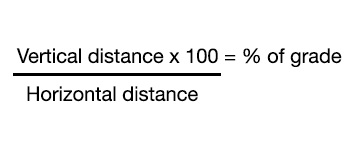
To calculate road grade percentage, take the following formula:
IV. Road care
Having proper road maintenance established is critical to ensuring tire life. Below is how each road care and its aspects can impact your OTR tires.
| Road care | Impact on tires |
| Smoother road surface | Prevents cuts, punctures, breaks, and separations |
| Reduced grades | Reducing excess wear on tires, extending tire life |
| Wider road width | Allows optimum safety |
| Wider punctures radius and no negative curves | Reduces spillage and less cut damage to tires, extends casing life by eliminating high lateral tire forces |
| Proper hauling distances | Reduces chances of heat separations from excessive TMPH/TKPH |
| Drainage system | Reduces potential deep cuts and cut separations from sharp debris |
Summary
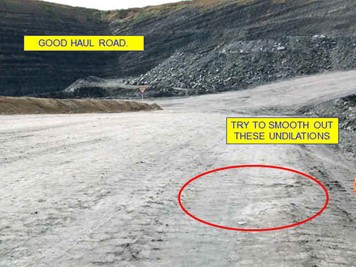
Haul roads should be wide, clean, and without ruts. Road crown should be about 3%.
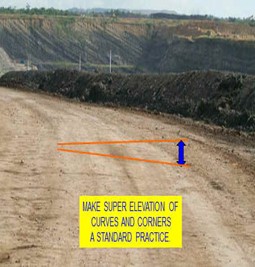
In addition to the big four factors discussed above, the below job profile also impacts tire life.
- Length of Haul
(Heat Build-Up) - Cycle Times (Speeds)
- Work Schedule
- Grades
- Curves
- Underfoot Conditions
- Actual Loads/
Load Distribution
Should you need further assistance, contact your local MAXAM rep and we’ll assist you with your inquiries.