How to Choose an Application-Specific Construction/OTR Tire?

May 24, 2023
 

In the construction industry, time means money. Operations need to make the most of every moment to maximize profits. Outfitting equipment with application-specific construction/OTR tires can cut costs and increase productivity levels, but how do you know you are picking the correct tire for your application? Below are three crucial questions to consider when searching for your next construction tire.

What Type of Tire Do I Need?

Understanding TRA Types

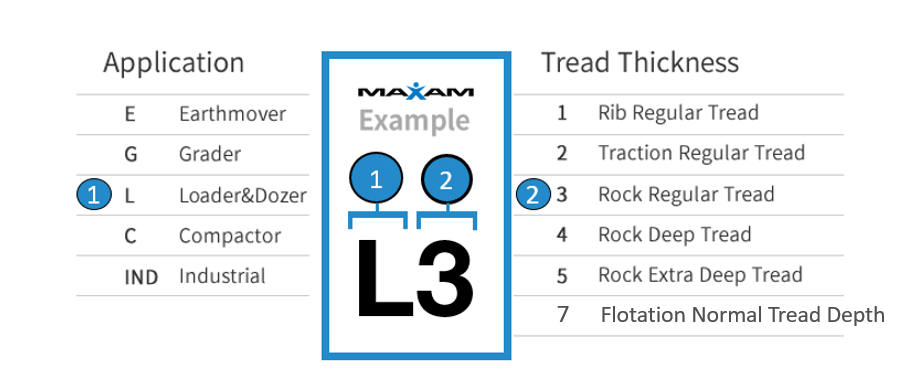
Each construction tire is classified by TRA Type to simplify the selection process. TRA codes refer to the tire’s classification and tread depth. For example, a TRA of L3 means the tire is a loader-classified tire with a level 3 tread depth. Keep in mind, the tread depth of the tire increases as the TRA code level increases, making it crucial to understand your tires’ TRA code to ensure proper performance.

There are 4 TRA Types:

  • C = Compactor
  • G = Grader
  • E = Earthmoving
  • L = Loader

Within these four tire types, there are also different tread depths and tread patterns. Both are optimized on tires to deliver the performance for your application’s requirements. These differences are indicated by a number. Depending on the type of terrain you’re dealing with, the number for the type of tire directly corresponds to the ground you’ll be working on.

READ NEXT: [How to pick the best construction tire for your machine]

There are 6 different tread depths:

  • 1 = Ribbed (normal tread depth)
  • 2 = Traction (normal tread depth)
  • 3 = Normal (normal tread depth)
  • 4 = Deep (deep tread depth)
  • 5 = Very deep (very deep tread depth)
  • 7 = Flotation (normal tread depth)

Now that we have both TRA type and tread depth, combining the two allows you to quickly identify whether that tire might be appropriate for your application. Let’s take the MAXAM MS501 for example. We classify the MS501 as an “L5” type of tire. Referring to our chart, we can identify the “L” specifies this tire for loader applications, while the “5” indicates very deep tread for abrasive, harsh work environments.How to Pick an Application Specific OTR Tire Infographic

Check for Proper Roadability

Will the Machine be Trailered?

This is an important question to ask yourself before purchasing a tire for your application. A construction/OTR tire’s design and compounding have an impact on how far and fast you can travel. For your convenience, each of MAXAM’s product contains load index, along with speed symbol references to determine speed and load capacity.

DOWNLOAD MAXAM FULL OTR CATALOG: [DOWNLOAD NOW]

In Terrain We Trust

Are You Working on Hard or Soft Surfaces?

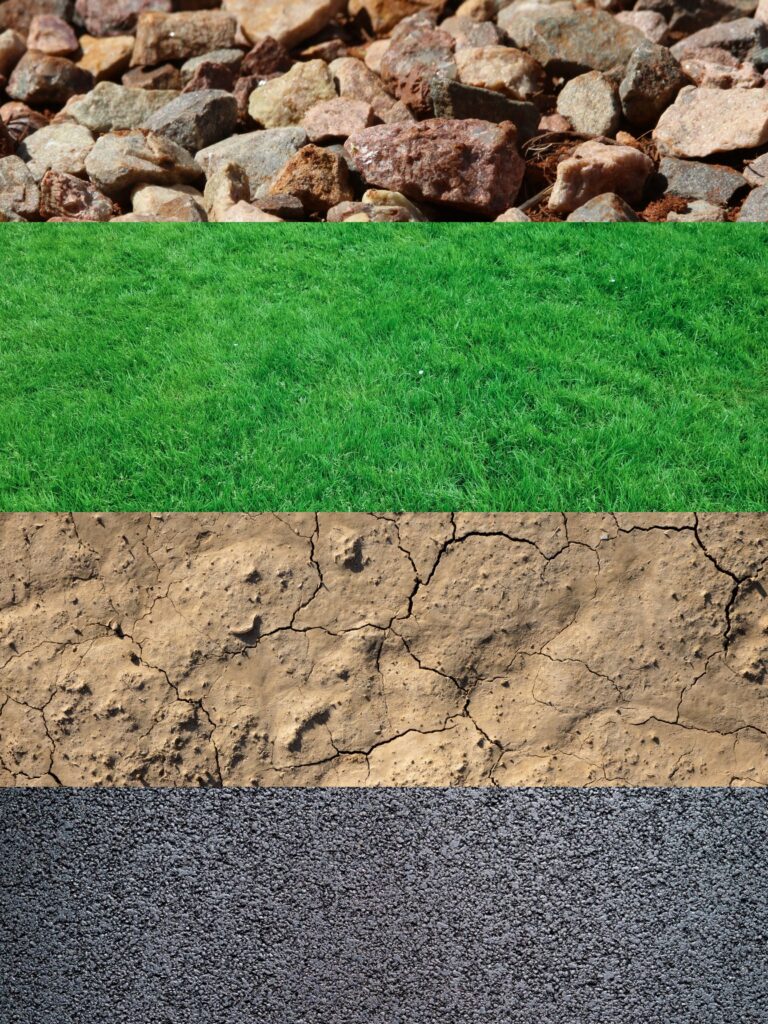
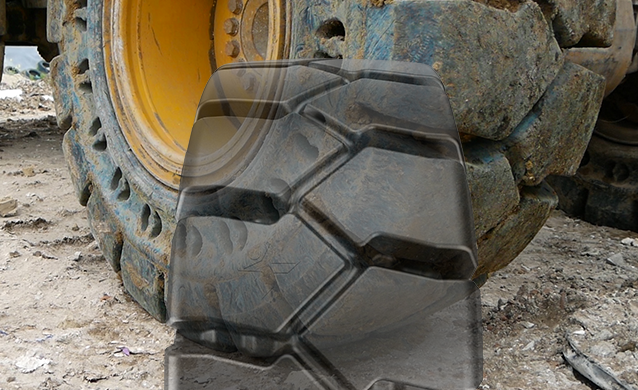
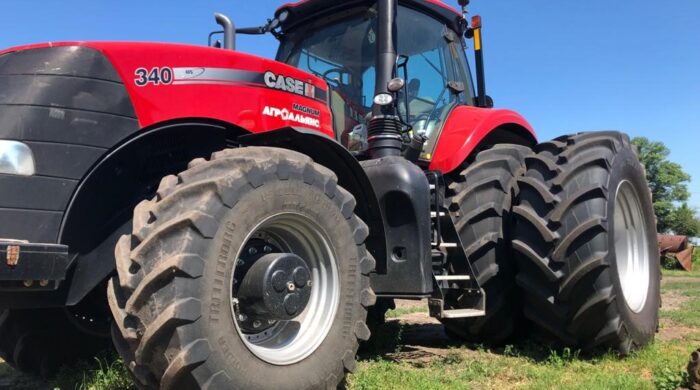
Construction equipment operating in mostly soft soil or mud benefits from a tire with deep lugs. Deep lugs deliver enhanced traction, reduce slippage in soft conditions, and may have self-cleaning capabilities that increase runtime. Equipment working on hard surfaces benefits from a tire with a block-type tread pattern. Block-type tread patterns provide a comfortable ride, decrease the chances of suffering a flat, increase fuel economy, and wear at slower rates.

Conclusion

Ensuring your construction equipment is armed with the right tire not only saves you in the long run but reduces downtime significantly. Much about the conditions of your work site and application will tell you about what tire you need. Check how often your machines will be trailered or roading, take note of the terrain and what requirements that means for your tire, and understand the different TRA types to ease the selection process.

The MAXAM Tire team is available to answer any questions, tire or maintenance related, that you may have. Get in touch with our team or check out our library of tire resources, maintenance guides, and so much more.

READ NEXT: [How to best maintain your construction equipment tires]

Download the MAXAM Mobile App

Track Finder

Find the right track by selecting the equipment type, make and model.

Ground Pressure Calculator

Review one track or multiple tracks and compare the estimated ground pressure of each width.


OTR and Construction Resources

Get More Power and Performance

How are OTR tires manufactured and what are tire compounds?

April 22, 2024 Technical Bulletin

In this article, we reveal some of the science inside today’s OTR tires and how some engineering components, such as tire compounds, play an important role in operating conditions and machine performance.

Read More
when to replace your solid otr tires

When To Replace Solid OTR Tires

December 14, 2023 Technical Bulletin

While solid OTR tires require zero maintenance and are built to last much longer than foam filled pneumatics, they still have a certain life span.

Read More

5 radial tire tips to maximize your aggregate and quarry productivity

October 22, 2024 Technical Bulletin

Knowing the type of tires that are appropriate for your earthmoving equipment and how to maintain them are equally important as maintaining your machines. Here are 5 ways to conducting a proper OTR (off-the-road) tire maintenance program, do this and it’ll directly impact your overall safety, productivity and cost.

Read More

Join Our Network

Subscribe to our newsletter to get the latest news, product offerings, and exclusive content straight in your inbox.